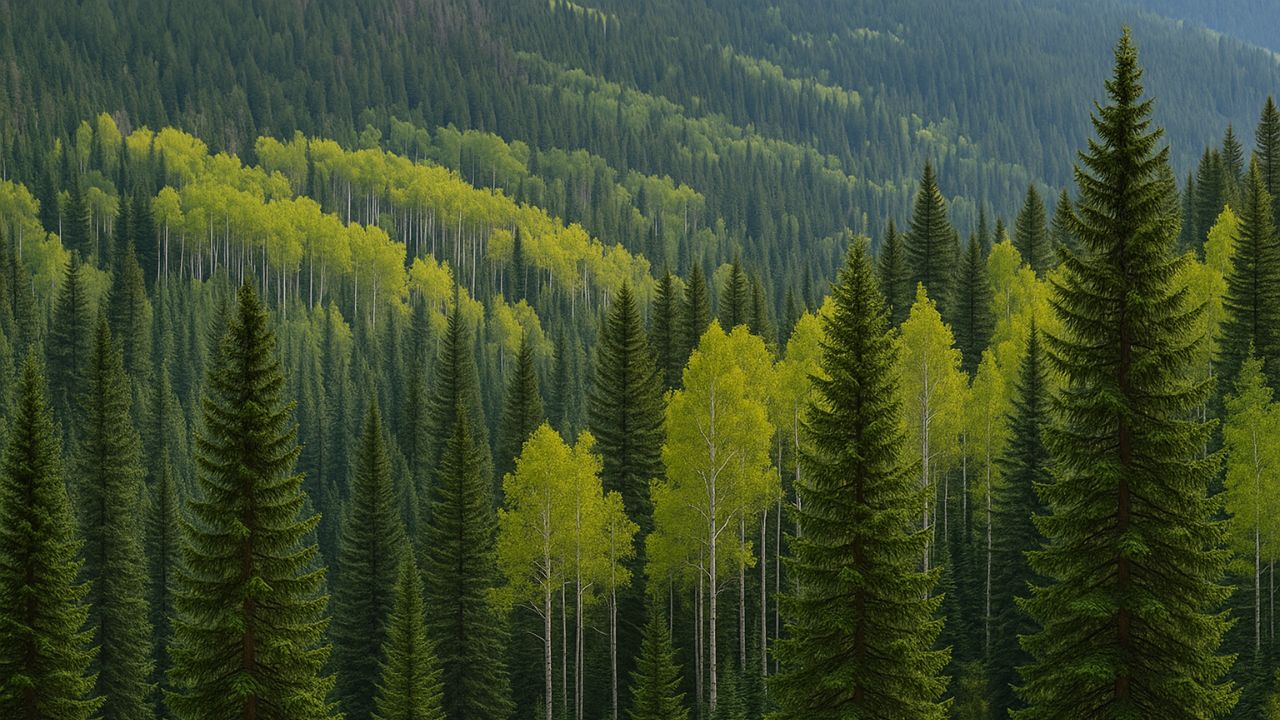
Aspen Forests – Spruce, fir, and aspen forests are vital components of North America’s diverse ecosystems, providing critical habitats for a wide range of wildlife. The Utah Forest Dynamics Plot (www.ufdp.org) has been instrumental in monitoring these forests, offering researchers valuable insights into their ecological importance. By studying these forest types over decades, UFDP helps scientists understand how different tree species influence wildlife populations and overall biodiversity. These forests, with their complex structures and varied plant communities, support everything from small mammals and birds to large herbivores and predators. The interdependence of flora and fauna in these ecosystems underscores the essential role that spruce, fir, and aspen forests play in sustaining healthy wildlife populations.
Habitat Diversity and Shelter for Wildlife
Spruce, fir, and aspen forests provide a variety of microhabitats that are crucial for wildlife survival. Spruce and fir trees, often found at higher elevations, offer dense cover that protects animals from predators and harsh weather conditions. Birds such as the northern goshawk and chickadees find nesting sites within the thick branches of these conifers, while mammals like snowshoe hares and martens rely on the understory for shelter and food. Aspen forests, with their open and sunlit canopy, support a different set of species. The decaying leaf litter beneath aspen trees enriches the soil and provides habitat for insects and small rodents, which in turn attract predators like foxes and owls. This diversity of habitats within a relatively small geographic area ensures that multiple species can coexist, making these forests biodiversity hotspots.
Food Sources and Seasonal Resources
One of the primary reasons these forests are indispensable for wildlife is the abundance of food they provide throughout the year. Spruce and fir trees produce cones that serve as a critical food source for birds such as crossbills and squirrels during winter months. Aspen forests, meanwhile, are rich in leaves, buds, and bark that herbivores such as deer, elk, and moose feed on, especially in early spring when other food sources are scarce. Additionally, the flowering plants and understory shrubs that grow in aspen-dominated areas attract pollinators and insects, which are essential for the diets of insectivorous birds and small mammals. The seasonal variation in available food ensures that wildlife can meet their nutritional needs throughout the year, supporting reproductive success and survival rates.
Migration Corridors and Connectivity
These forest types are not only crucial for resident wildlife but also for migratory species. Aspen and mixed-conifer forests serve as important stopover points for migratory birds, providing both rest and food during long journeys. Large mammals, including elk and mule deer, use spruce and fir forests as summer range or winter shelter, depending on snow depth and forage availability. The connectivity between these forest patches allows for safe migration routes and genetic exchange between populations, which is vital for maintaining resilient wildlife communities. Fragmentation of these forests due to logging, urban development, or climate change can disrupt these corridors, leading to population declines and reduced biodiversity.
Supporting Predators and Ecological Balance
Predators rely heavily on the abundance of prey in spruce, fir, and aspen forests, highlighting the forests’ role in maintaining ecological balance. Wolves, lynxes, and coyotes benefit from the dense cover and diverse prey populations provided by these forests. Birds of prey, such as owls and hawks, depend on open aspen areas to hunt small mammals, while coniferous sections offer concealment for ambush hunting. This predator-prey dynamic is essential for regulating populations and preventing overgrazing or overpopulation of certain species. Additionally, decomposers and scavengers thrive in the leaf litter and fallen logs of these forests, recycling nutrients back into the ecosystem and supporting plant growth, which in turn sustains herbivores and predators alike.
Climate Regulation and Ecosystem Services
Beyond direct wildlife benefits, spruce, fir, and aspen forests provide essential ecosystem services that indirectly support animal populations. These forests sequester carbon, helping mitigate climate change, which can alter habitats and food availability. They also regulate water cycles by reducing soil erosion and maintaining stream flow, which benefits aquatic species and terrestrial animals that depend on reliable water sources. Healthy forests maintain a stable microclimate, providing cooler temperatures during hot summers and shelter during harsh winters, which reduces stress on wildlife. The interconnectedness of these ecosystem services highlights why the conservation of spruce, fir, and aspen forests is not only crucial for wildlife but also for overall environmental health.
Conservation and Future Challenges
Despite their importance, spruce, fir, and aspen forests face numerous threats, including climate change, invasive species, and unsustainable logging practices. Efforts by organizations like the UFDP focus on long-term monitoring, habitat restoration, and public awareness campaigns to ensure these forests continue to support wildlife. Protecting these ecosystems requires a holistic approach, integrating forest management, wildlife conservation, and community engagement. By preserving these forests, we safeguard the complex networks of life they sustain and ensure that future generations can witness the rich biodiversity these forests harbor.
In conclusion, spruce, fir, and aspen forests are indispensable for wildlife due to their diverse habitats, abundant food sources, migration corridors, predator-prey dynamics, and ecosystem services. Conservation efforts, guided by research from institutions like UFDP, are critical to maintaining these forests and the wildlife they support. Protecting these ecosystems ensures the survival of countless species and the continued health of our planet’s natural environment.